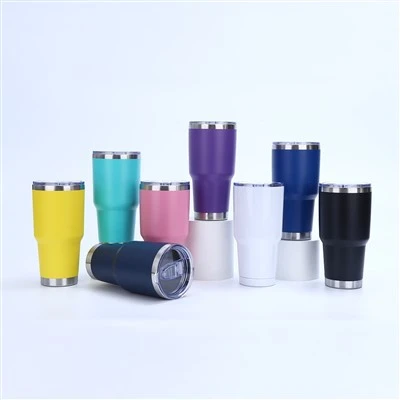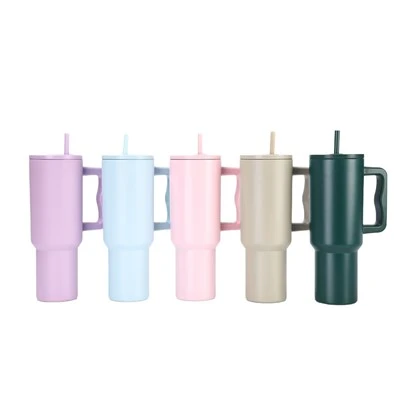
The thermal flask-also known as a vacuum flask or thermos-is a household item developed from the vacuum double-walled glass vessel (the Dewar flask) invented by the British physicist Sir James Dewar in 1892. The concept of thermal insulation vessels appeared early in China; by the late Northern Song Dynasty, similar devices known as "warm-water cauldrons" (*nuanshuifu*) were already in use. In 1903, the German Reinhold Burger improved upon the Dewar flask and obtained a patent; he subsequently founded the Thermos company in 1904 to manufacture and sell the product.
China's thermal flask manufacturing industry began in Shanghai during the 1920s; the first domestically produced flask was made in 1925, and the world's first 5-pound handled thermal flask was invented in 1934. Its core structure consists of a vacuum glass liner (often silver- or aluminum-coated) and rubber gaskets to minimize heat loss. Outer casings are made from materials such as stainless steel or plastic, and thermal efficiency is enhanced by a narrowed bottle neck; typically, these flasks can maintain hot water at 60°C or cold drinks at 4°C for approximately 12 hours.