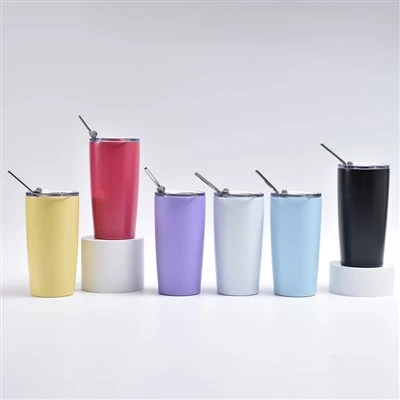
The term "mug" is derived from the English word for a large-handled cup; it is an imported concept that has become a common household item. Mugs typically feature a standard cylindrical or near-cylindrical body with a handle on one side and are generally used for hot beverages such as milk, coffee, and tea. Common materials include porcelain, glazed ceramic, glass, stainless steel, and plastic. A small number of mugs are made from natural stone, though these tend to be more expensive.
There are various theories regarding the origins of the mug. One suggests that cylindrical vessels-some made of clay and lacking handles-were used in rituals in both China and Japan as early as the Neolithic Age. Another theory posits that the first true mug appeared in Constantinople around 1475. By the 16th century, people in Northern Europe were using these single-handled vessels to hold water. Thanks to their simple design, stability, and durability, they eventually became popular for consuming hot drinks like milk, coffee, and tea. During the 18th century, as trade between China and Europe expanded, Europeans brought large, handled cups to Jingdezhen for manufacturing, and the mug gradually gained popularity within China. By the mid-to-late 19th century, the mug had been introduced from the West into everyday Chinese life.