
If you love coffee, choosing the right cup is essential; it is not a trivial matter, as it directly impacts your health.
Metal Cups
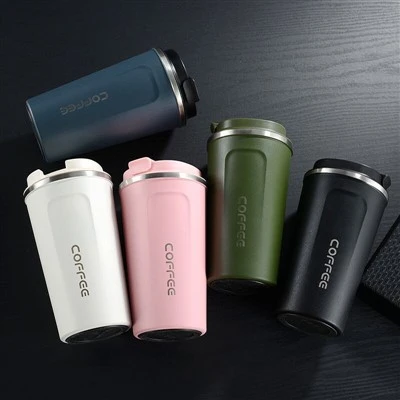
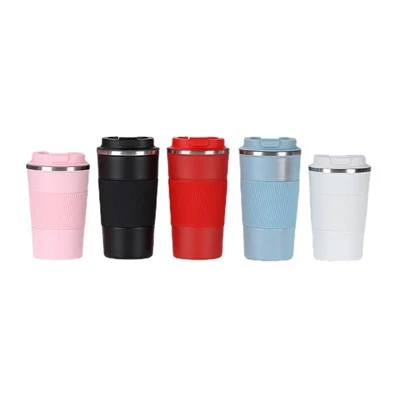
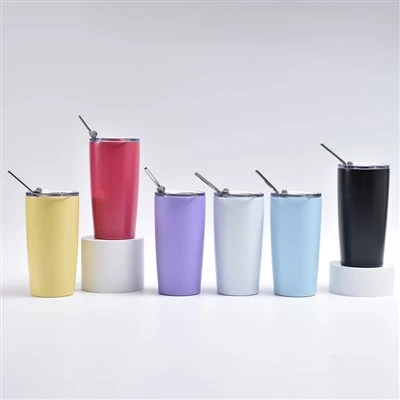
While the metallic elements in metal cups are generally stable, they can leach out in acidic environments. Consequently, they are not safe for consuming acidic beverages like coffee or orange juice.
Paper Cups
Disposable paper cups may appear hygienic and convenient, but their quality is often uncertain, and it is impossible to verify their cleanliness with the naked eye. Some manufacturers add large amounts of fluorescent whitening agents to make the cups look whiter.
Plastic Cups
When plastic cups are filled with hot or boiling water, toxic chemicals can easily leach into the liquid. Furthermore, the microscopic structure of plastic is porous, trapping dirt and residue; if not cleaned thoroughly, these pores become breeding grounds for bacteria.
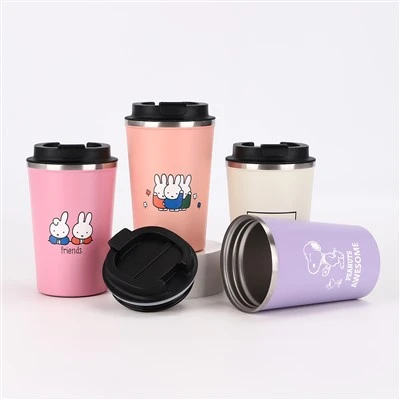
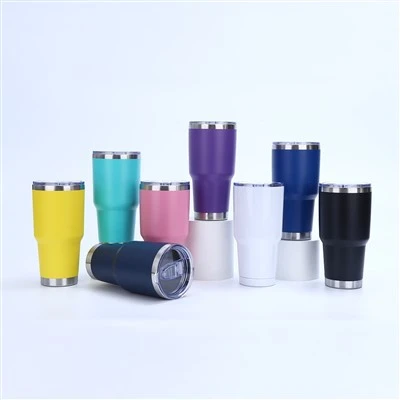
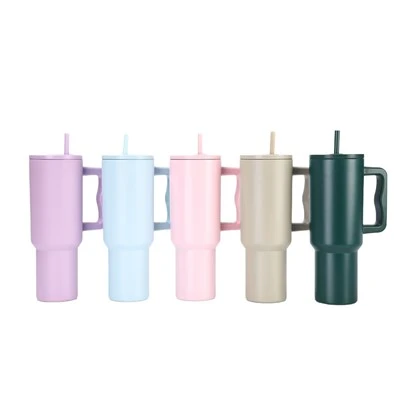
Colorful Cups
Brightly colored cups are visually appealing, but when filled with boiling water or highly acidic/alkaline beverages, toxic heavy metals-such as lead-found in the pigments can dissolve into the liquid. Consuming liquids contaminated with these chemicals poses health risks.
Glass Cups
Glass is the healthiest material for cups. Since glass contains no organic chemicals from the manufacturing process, there is no risk of ingesting harmful substances when using them. Additionally, the smooth surface makes cleaning easy and prevents bacteria and dirt from accumulating on the walls, making glass cups the healthiest and safest choice.
Ceramic Cups
Unpainted, unglazed ceramic cups-especially those with colorless interiors-are the best choice. They are made of safe material, withstand high temperatures, and offer good heat retention, making them excellent for hot water or tea.
Wooden Cups
These coffee cups are crafted from high-quality wood, featuring exquisite designs that evoke a nostalgic, vintage feel. They are durable, heat-resistant, and shatter-resistant, as well as aesthetically pleasing and safe to use.