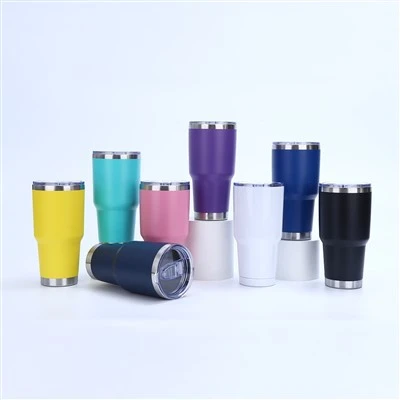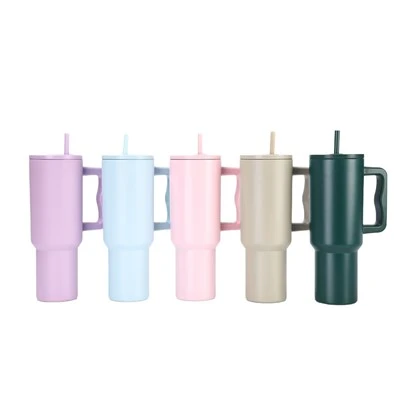

A child's growth relies on healthy dietary habits, making the choice of a safe and healthy water bottle particularly important. With a wide variety of materials available on the market-such as stainless steel, PP, PA, PPSU, and Tritan-how should you choose?
Stainless Steel Cups
Pros:
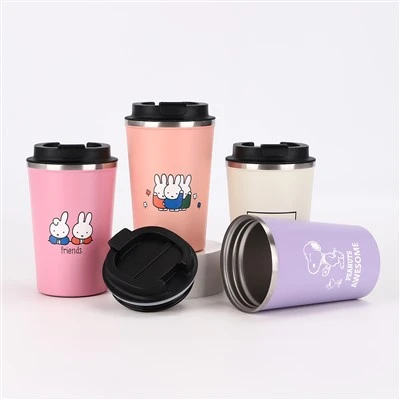
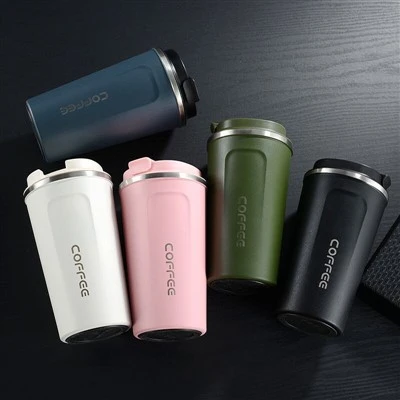
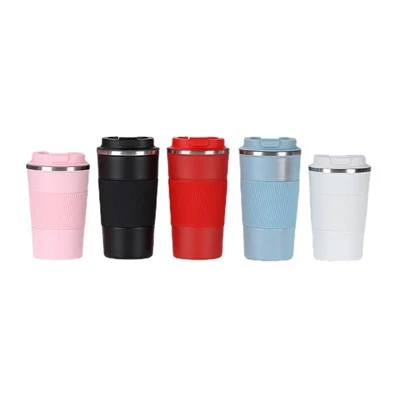
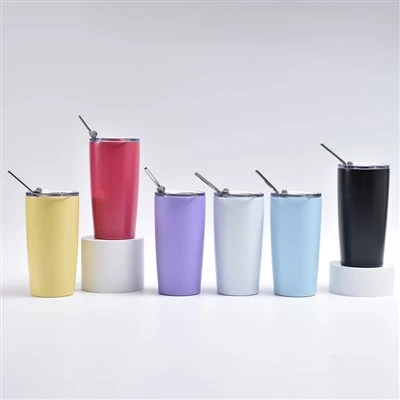
High durability: Stainless steel cups are highly durable and resistant to deformation or breakage, making them suitable for the rough handling often seen with children.
Good thermal insulation: Stainless steel offers excellent temperature retention, making it suitable for use in all seasons, especially during cold winters.
PP Cups (Polypropylene)
Pros:
Lightweight: PP cups are relatively light, making them easy for children to hold and use.
Free from harmful substances: PP is a food-grade, non-toxic, and safe material.
PA Cups (Polyamide)
Pros:
High-temperature resistance: PA withstands high temperatures well, making it suitable for holding hot or warm water.
Impact resistance: PA cups offer good resistance to impact, standing up well to rough handling by children.
Tritan Cups
Pros:
Durable: Tritan offers excellent wear resistance and durability, and is resistant to deformation.
Free from harmful substances: Tritan is a safe, food-grade material that offers greater assurance regarding children's health.
When selecting a water bottle for your child, different materials suit different ages and usage scenarios. By considering factors such as durability, weight, safety, and price, you can choose the best bottle for your child's specific needs, thereby supporting their health and growth.