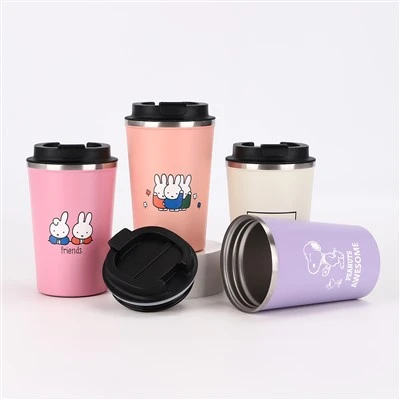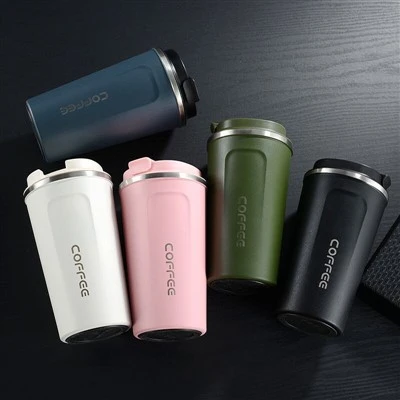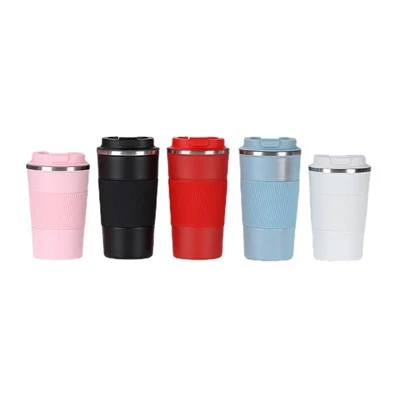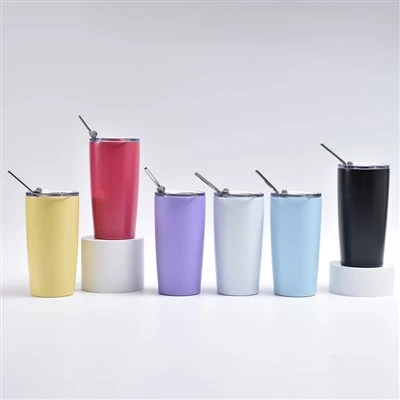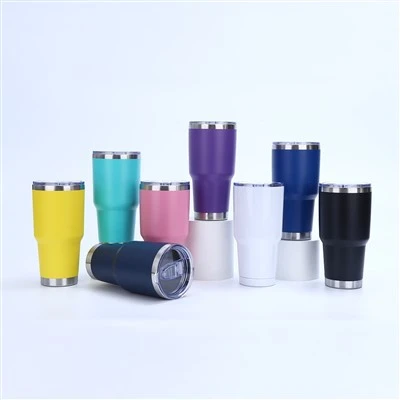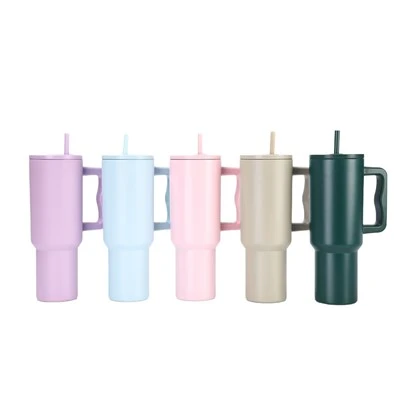
A stainless steel thermal flask is a container that utilizes a double-walled stainless steel structure combined with vacuum technology to maintain temperature; these are categorized into standard thermal flasks (heat retention under 3 hours) and vacuum thermal flasks (heat retention over 8 hours). Thermal performance depends on the flask's structure, material thickness, capacity, and manufacturing process. They are typically manufactured using vacuum brazing furnaces or exhaust station technology; the vacuum brazing process is complex and entails higher costs.
The flask features a wide-mouth design for easy cleaning and a strap for convenient portability. Pre-heating or pre-cooling the flask enhances thermal performance; however, filling it with highly corrosive or perishable liquids-such as carbonated beverages or milk-should be avoided. Use a neutral detergent for cleaning and ensure the flask remains dry during long-term storage. The product undergoes antibacterial treatment, and its seal integrity can be verified by filling it with water and turning it upside down. When purchasing, ensure the plastic components are food-grade and avoid inferior materials that may have unpleasant odors or rough edges.
The production process for vacuum thermal flasks involves the separate fabrication of the outer shell and inner liner followed by vacuum assembly, encompassing steps such as welding, electrolysis, and polishing. Any plastic odor in a new flask can be eliminated by soaking it in boiling water or using milk or orange peels. During use, avoid exposure to high-heat sources, violent impacts, or microwave heating to prevent damage or compromised thermal performance.