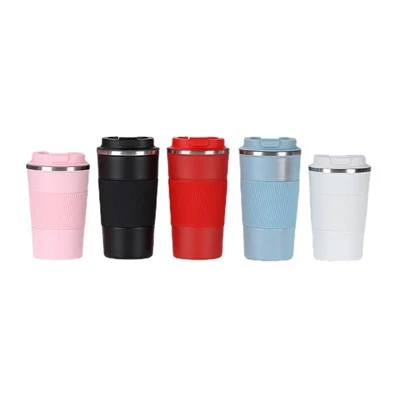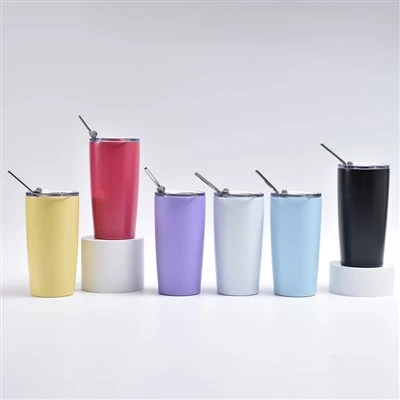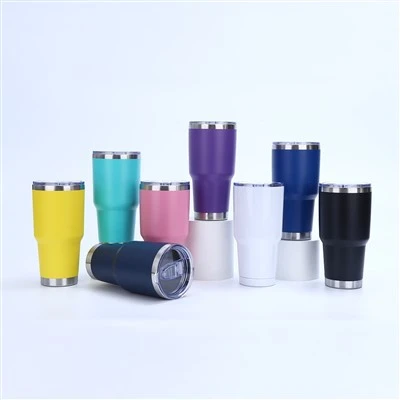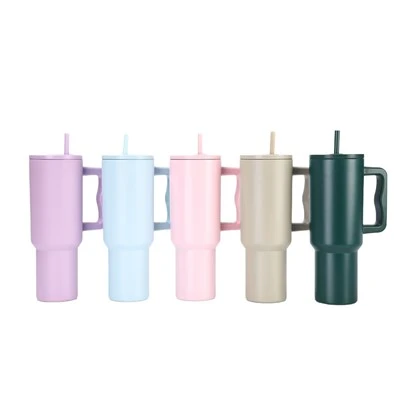

Ceramic mugs are primarily composed of natural minerals such as kaolin and quartz; they are fired at high temperatures (typically above 1,200°C) to form a dense, solid structure.
The high-temperature resistance of ceramic mugs stems from the inherent properties of their materials. During high-temperature firing, kaolin forms mullite crystals-a structure capable of withstanding rapid temperature fluctuations (typically ranging from -20°C to 150°C) without easily cracking. The glazed surface seals the material's pores, preventing liquid penetration.
Regarding safety, legitimate products must pass safety tests for food-contact materials (such as the GB 4806.4-2016 standard) to ensure that the leaching levels of heavy metals like lead and cadmium remain within safe limits. During use, avoid heating the mug while empty or exposing it directly to an open flame to prevent damage to the glaze.