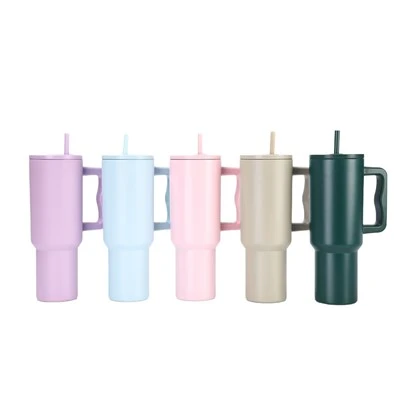

The modern vacuum flask was invented by the Scottish scientist Sir James Dewar in 1892. While conducting research on gas liquefaction-a process requiring low temperatures-he needed a container capable of isolating the gas from the ambient temperature. He commissioned a glass technician named Burger to blow a double-walled glass vessel; the inner surfaces were coated with silver (or mercury), and the air between the walls was evacuated to create a vacuum. Known as a "Dewar flask," this vessel could maintain the temperature of its contents-whether hot or cold-for an extended period. Because these flasks are primarily used in households to keep water hot, they are commonly referred to as "hot water flasks" or thermoses.
The construction of a vacuum flask is relatively simple. At its core is a double-walled glass liner; the space between the walls is evacuated to create a vacuum and coated with silver or aluminum. The vacuum prevents heat transfer via convection, while the glass itself is a poor conductor of heat; the silver coating reflects radiant heat back into the container. Heat transfer occurs primarily through three mechanisms: conduction, convection, and radiation. A vacuum between the walls eliminates air molecules, thereby blocking both heat conduction and convection. By adding a reflective coating to the inner walls to minimize heat radiation, a highly efficient yet inexpensive thermal container is created. Conversely, when the flask holds cold liquids, it prevents external heat from radiating into the interior. The stopper is typically made of cork or plastic-materials that are poor conductors of heat.