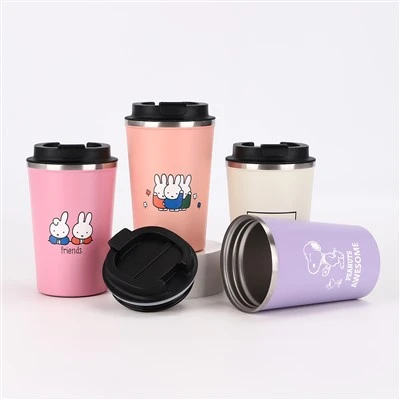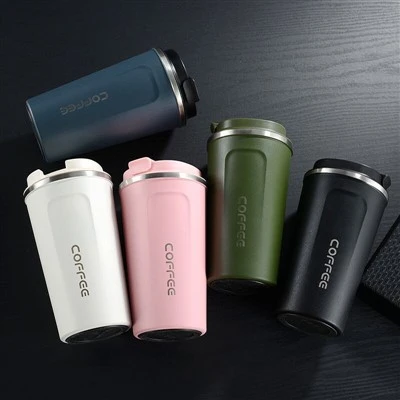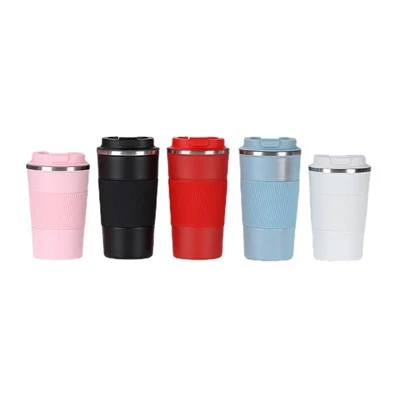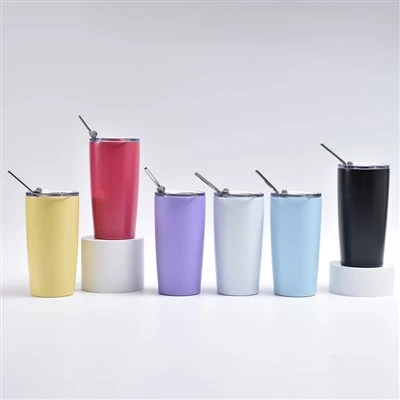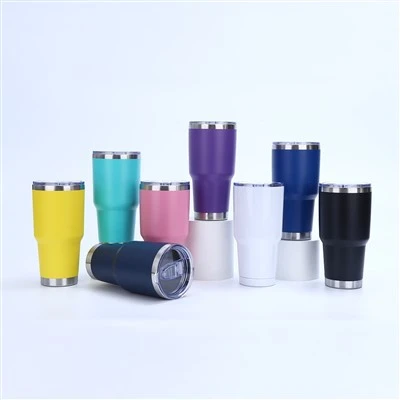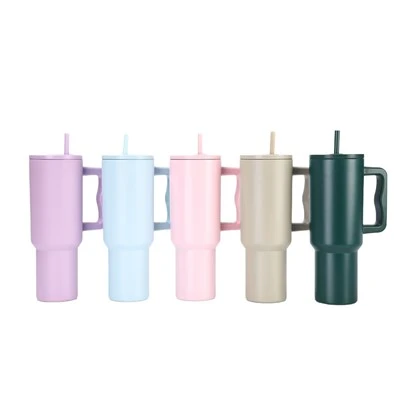

The outer casings of thermal flasks are made from various materials, such as woven bamboo, plastic, sheet metal, aluminum, and stainless steel. Inside, a rubber gasket at the neck and a bowl-shaped rubber pad at the base secure the glass liner, preventing it from colliding with the casing. The area around the neck is the flask's weakest point for thermal insulation, as heat is most readily transferred there via conduction. Consequently, manufacturers aim to minimize the length of the neck; generally, the larger the capacity and the smaller the opening, the better the insulation performance. Under normal conditions, a flask can maintain cold drinks at approximately 4°C and hot water at around 60°C for up to 12 hours.
Thermal flasks play an integral role in our work and daily lives. In the home, they are commonly used to store hot water for everyday drinking or for serving guests. In laboratories, they store chemicals, while at picnics or sporting events, they keep food and beverages at the desired temperature. They are also frequently used during outdoor work or road trips to carry drinking water or iced beverages while maintaining their temperature. In recent years, dispensing mechanisms have evolved-introducing features like pump-action and push-button dispensers-though the fundamental insulation principle remains unchanged. Furthermore, modern flasks can hold a variety of beverages, such as tea, coffee, fruit juice, and milk; their reusability helps reduce the consumption of disposable containers, aligning with eco-friendly practices.