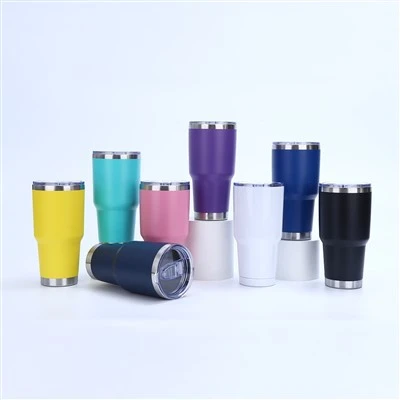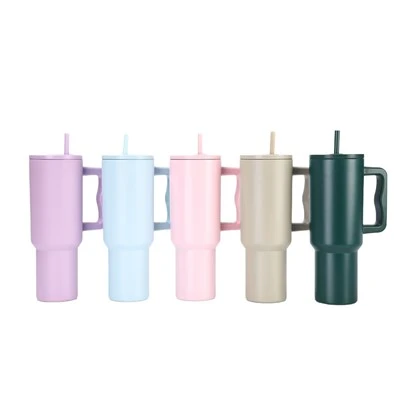
1. Consider the brand, but remember that a higher price does not necessarily mean better quality; a thermos with a good balance of price and performance is the best choice.
2. Do not judge solely by weight. Many people mistakenly believe that a heavier thermos implies better quality and superior heat retention. In reality, added weight often comes from components like magnets intended to magnetize the water; such products are essentially "health cups" rather than true thermoses, as genuine thermoses rely on a vacuum layer for thermal insulation.
3. Check for a genuine vacuum seal. Since air conducts heat, and heat transfer does not occur in a vacuum, the quality of the vacuum is the most critical factor in a thermos's insulation performance. The simplest way to test this is to pour hot water into the cup and wait a short while before touching the body and base; the cooler the exterior feels, the better the insulation.
4. Assess the build quality and manufacturing standards. Examine the appearance, specifically looking for seams between the body and the base. Cups with a seamless, integrated design generally have a longer lifespan than those with visible weld marks. Furthermore, the one-piece construction significantly reduces the risk of air leaks compared to welded models.