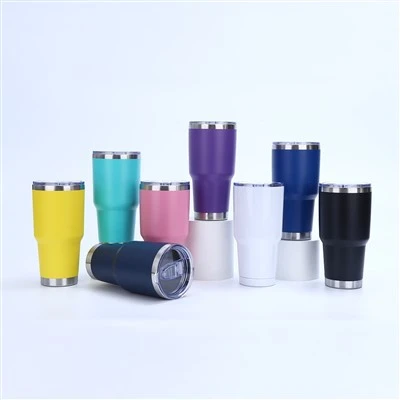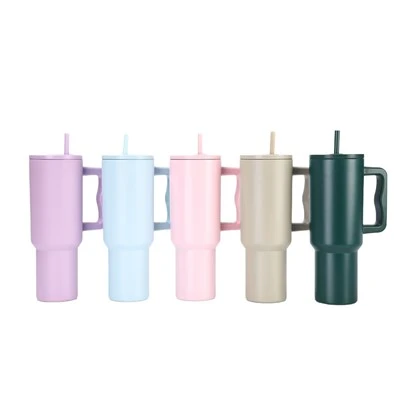

In reality, the heat retention duration of a vacuum-insulated flask depends on the structure of the flask body and the thickness of the materials used.
Generally speaking, the thinner the material, the longer the heat retention time. However, thinner materials make the flask body more susceptible to damage and deformation, which can shorten its service life. Measures such as coating the outer layer of the inner vessel with a thin metal film or copper plating can enhance heat retention. Flasks with large capacities and narrow openings tend to retain heat longer, whereas those with small capacities and wide openings retain heat for a shorter period. The service life of a vacuum flask also depends on the cleanliness of the inner vessel and the duration of the vacuum extraction process; most importantly, it depends on the structure of the vacuum furnace.
The vacuum equipment used in the industry falls into two main categories comprising four specific types: vacuum exhaust stations (for "tipped" or "exhaust-tubed" flasks) and vacuum brazing furnaces. Vacuum brazing furnaces are further subdivided into single-chamber, multi-chamber, and high-speed multi-chamber types.
The single-chamber integral vacuum brazing furnace involves a long vacuum extraction cycle; if a manufacturer shortens this time to boost productivity, the flask's service life may be compromised-often limiting it to around eight years. Regarding "tipped" vacuum flasks (produced using exhaust stations), the heating temperature during extraction is approximately 500°C. While the outer shell is less prone to deformation, the copper exhaust tube's welded joint is vulnerable to impact-induced leaks, requiring special protection during the semi-finished product stage.
The other major category is the vacuum brazing furnace method, which encompasses three distinct types. It may come as a surprise, but although the vacuum-insulated flasks we use daily look identical to standard insulated flasks on the outside, their manufacturing process is far more complex and technically demanding. Consequently, vacuum-insulated flasks cost at least twice as much as standard insulated flasks.